When you lose a tooth, it’s more than your smile that’s affected. It can make eating difficult, alter your speech patterns, and even affect your self-confidence. Many people are familiar with dental implants as a long-lasting solution for tooth replacement, but if you haven’t experienced them, it’s common to be unsure about what they are.
Patients often don’t go any further because they have questions about the procedure, recovery, cost and results. Fortunately, dental implants are one of the most predictable and successful treatments offered today.
What Is a Dental Implant?
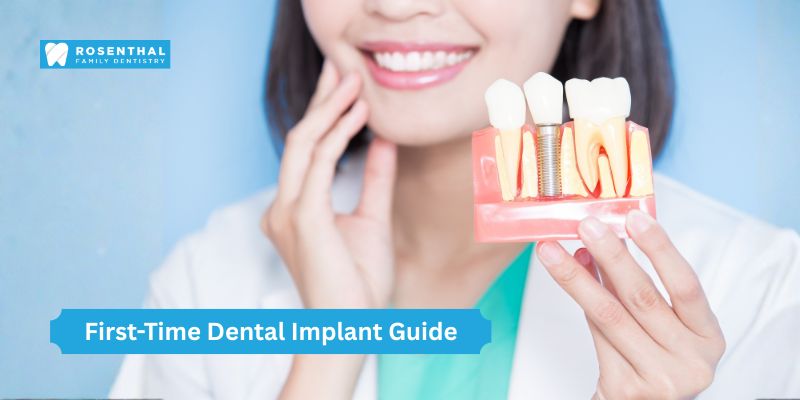
Dental implant consists of a titanium rod, which is made to be bio-compatible and placed surgically into the jaw bone. The titanium rod fuses itself with the jaw bone in a process known as osseointegration and serves as a strong foundation for a customized dental crown or bridge.
In contrast to bridges or dentures, dental implants not only replace the tooth but the roots of the tooth as well.
Why Choose Dental Implants?
Many patients choose dental implants over all of the other tooth replacement methods available, as they offer several advantages in the long term:
Natural look and feel
- Good chewing power, stability
- Improved speech
- The prevention of bone loss
- Prevention of bone degradation
- Long-lasting durability
- Filling the surrounding teeth to protect them
- Easy to maintain, brushing and flossing regularly
If the patient takes good care of their teeth and visits the dentist for regular check-ups, they can expect a long life from implants.
Who’s a Good Candidate?
Generally, healthy adults can be treated with dental implants, but your dentist will do a thorough evaluation prior to the treatment.
Your dentist will take into account:
- Overall oral health
- Healthy gums
- Adequate jawbone density
- Medical history
- Smoking habits
- Existing dental conditions
When bone loss has been noticed following a tooth loss, a number of procedures such as bone grafting might be advised prior to the process of implant placement.
Step 1: Your Initial Consultation
Any implant treatment that is successful starts with a comprehensive consultation.
Your dentist may do the following during your visit:
- Discuss medical and dental history
- Perform a comprehensive oral examination
- Use computer imaging, X-rays or 3D imaging to take photos.
- Evaluate bone quality
- Talk about your treatment objectives
- Create a personalized treatment plan
It’s also the right time to ask questions regarding the process, timeline and results of the procedure.
Step 2: Preparing for Treatment
Some patients are able to get an implant right after tooth extraction, and other patients might need to be prepared for the implant.
Preparation could involve:
- Tooth extraction
- Bone grafting
- Treatment for gum disease
- Healing time prior to implanting
Each step will be explained according to your needs by your dentist.
Step 3: Implant Placement
The implant is usually inserted under local anesthesia, but may be performed under sedation for patients who are dental anxious.
During the procedure:
- A small hole is created in the gums
- The implant is very carefully inserted in the jaw bone
- This region is sealed off to allow healing to occur
Patients are often surprised to learn that the treatment is much easier than they thought it would be, because most of the discomfort is during recovery, not during the actual treatment.
Step 4: Healing and Osseointegration
The next, and most critical step is the healing process after implant placement. In the next 3-9 months, your jaw begins to fuse to the titanium, which is known as osseointegration. This provides a stable base that enables the implant to act as a natural tooth root.
A person’s total health, bone quality, and the need for additional procedures like bone grafting will affect the healing time. Your dentist may offer you a temporary restoration to keep you from having an empty space visible during this time.
Step 5: Placing the Final Restoration
After the healing process is complete, a small connector (abutment) is secured to the implant.
Your custom-made restoration is then secured to the implant. Depending on your treatment plan, this may be:
- A dental crown
- A dental bridge
- An implant-supported denture
A completed restoration is carefully designed to be the same colour, shape and size as your natural teeth to give a seamless look to your smile.
What is Recovery Like?
After the implant surgery, most patients have mild to moderate discomfort.
Common temporary symptoms are:
- Mild swelling
- Minor bruising
- Tenderness
- Slight bleeding
- Temporary sensitivity
Usually, these symptoms will go away in a few days.
Your dentist may suggest the following steps to help your healing:
- Eating soft foods
- Administering prescribed/recommended medications
- Avoiding smoking
- Maintaining simple dental care
- Attending follow-up appointments
Adhering to post-operative guidelines can contribute to the successful healing of the implant and its durability.
Taking Care of Your Dental Implant
Although dental implants will not develop cavities, you should maintain good oral hygiene with them.
To preserve the value of your investment:
- Brush twice daily
- Floss the area around the implant daily
- Get regular dental check-ups
- Don’t chew hard foods such as ice
- If you grind your teeth, wear a nightguard
Healthy gums contribute to the long-term success of your implant and consistent care helps keep them healthy.
Why Experience Matters
Dental implant treatment involves carefully planning, accurate placement, and custom-designed restorations. An experienced dental team will ensure that each step of your dental care, from diagnosis to the final restoration, is focused on long-term oral health.
Routine assessments, cutting-edge imaging, and specific treatment plans all lead to successful predictable results.
Restore Your Smile with Confidence
Having a dentist put in a dental implant need not be intimidating. Knowing what to expect at each stage can make you feel more confident in your treatment. Dental implants can do it all, from improving your ability to eat normally making it possible to enjoy your food again, to helping you build the strong and stable smile and confidence you’ve lost.
We want your implant experience to be as comfortable and stress-free as possible and, at Rosenthal Family Dentistry, we are dedicated to making this happen. Because we know that treatment can be a complicated process, we will help you every step of the way until you enjoy a healthy, functional, beautiful smile you can keep for many years.