Nobody would like to lose a tooth, and at times it cannot be avoided. Knowing the motivation behind extractions will enable you to make the decision without regret. Dentists do not extract teeth out of the blue, but to safeguard your general health.
The most typical use of extractions is for tooth decay. The cavities start as simple, easy-to-handle points of destruction. A dentist could remove the decay and fill in the tooth with a filling or crown with early intervention. But as the rot gets deep into the pulp, the heart of the tooth – which is the living part – the frame is too feeble to ever be restored.
Even a crown cannot help the situation, even when the damage has eaten away most of the enamel and dentin. The tooth will not be left naturally with sufficient healthy substance to support a restoration. A dentist may also try a root canal to salvage it; however, once the infection has gone too deep or recurs, the safest way is to extract it.
Leaving a tooth in a deplorable condition can lead to an infection of the jawbone, the rest of the teeth, and even blood. At that point, a localized health issue of the teeth may develop into a global health crisis. Extraction eliminates the source of the infection and lets the gums and bone heal.
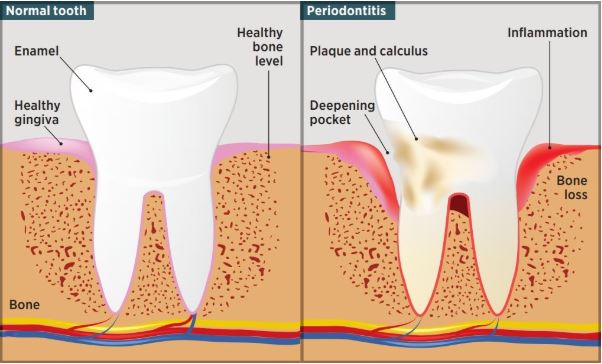
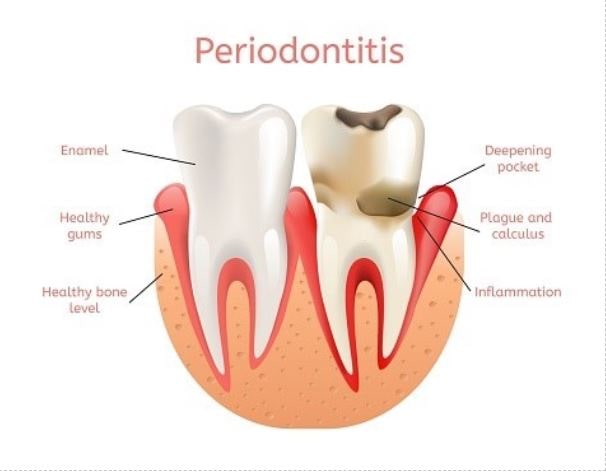
Another significant cause of tooth loss is gum disease or periodontitis. In contrast to decay, which deteriorates the tooth itself, gum disease destroys the base on which teeth rest, the bone and tissue.
Gum disease presents itself in the initial phases through swelling, bleeding, and foul breath. Unattended, it corrodes the bone surrounding the teeth. When teeth begin to move or become loose, there is no way to stabilize them. Extraction averts the additional loss of bones and aids in managing the infection.
The failure of one tooth may endanger other teeth. Dentists can save the remaining teeth by extracting the highly compromised ones and working on their salvaging using periodontal therapy. In most instances, extracted teeth are replaced with implants or bridges by the patients afterwards, when the gums and the bone are healthier.
Wisdom teeth are notorious for being mischievous. The molars are the very last to grow, generally at the age of 17-25. To most, the jaw is not even large enough to hold them.
Impaction: The tooth becomes lodged beneath or under the gums, or not all of the tooth erupts.
Crowding: Erupting wisdom teeth cause the existing molars to be crowded out of shape.
Risk of infection: Food and bacteria gather around half-erupted teeth, causing painful gum infections, requiring removal
Although they may not cause pain at the moment, most dentists advise the removal of wisdom teeth at an early age. The early removal is better, and young adults have a quicker healing process, avoiding such problems as cysts, damaged nerves, or moving teeth in later life.
Not everything extracted is a result of disease or damage. There are times when healthy teeth are forced to exert. Orthodontists often order additional extractions to place braces on patients with small jaws and big teeth.
To allow the proper alignment of the teeth, they need space in the jaw. Unless there is space, orthodontists can extract premolars so that the rest can straighten. In the absence of extraction, braces may not fully treat the bite or may cause a risk of teeth moving back following treatment.
Although the process of extracting healthy teeth may sound counterintuitive, it is done in the long term to attain correct bite placement, ease of cleaning, and minimized susceptibility to future gum disease.
Accidents occur, either due to a fall, sporting injury, or biting something hard. Bonding or crowns can be used to repair some breaks, but others are too severe.
When a fracture goes below the gum line or cuts the root, then there is no method of regaining stability. Once broken, there is a risk that a root cannot be repaired or even shielded, and its continued presence may cause an infection and bone injury. They are inevitably extracted in such situations.
Dentists typically suggest replacing lost teeth as quickly as possible, particularly when they are not wisdom teeth. Implant bridges, or partial dentures, are used to add functionality and ensure that other teeth do not drift into the empty socket.
In some cases, extractions are performed not due to the tooth actively causing problems, but due to the possibility that it might do so in the near future. This is more so the case with patients who are pre-planning significant medical procedures.
Chemotherapy: Suppresses the immune system and leaves patients susceptible to infections.
Organ transplants: Anti-rejection drugs suppress immunity.
Heart surgery: Tooth-related infections may be dangerous to the recovery.
Here, dentists extract doubtful teeth with deep cavities, advanced periodontal disease, or old root canals to avoid infection, which the body cannot effectively combat during therapy.
A persistent baby tooth that fails to fall out on time may prevent a permanent tooth in children and teenagers. Replacing the baby tooth cleans up the path to normal growth.
When permanent teeth start to erupt in an incorrect position, it is because the baby teeth remain in too long, causing crowding and trouble with the bite. Strategic extraction avoids years of orthodontic correction later.
In other situations, the remaining teeth have to be removed to provide the patient with a complete denture. Although some may still be intact, irregular teeth or those that are dislodged complicate the process of denture fitting. Extractions also provide a healthy base upon which dentures can be placed comfortably.
Although pain does not always indicate extraction, it usually is an indication that something significant is occurring. Constant toothache, jaw swelling, or pain must not be disregarded. Through the symptoms, dentists are able to conclude whether the tooth can be rescued or whether it has to be extracted, using the X-rays
Removal of teeth is not something to laugh at. Dentists do so when it cannot be repaired or when your health is at risk by retaining the tooth. Extraction, whether due to decay or gum disease, injury, or overcrowding, is the beginning of improved long-term oral health.
April is the month of Oral Cancer Awareness, and while it is fast approaching, we are all reminded about our oral health and the need to prioritize it. Nobody loves the word cancer, the disease that has negatively impacted many lives, which is why you must be on the lookout for early detection of oral cancer and take proper preventive measures.
Oral cancer is a disease that affects the lips, mouth, throat, and tongue, and its statistics are overwhelming. This is because some people overlook the signs. Like other diseases, early detection is essential, enabling timely medical intervention.
This article will help you understand and identify early signs of oral cancer, risk factors, and prevention strategies, which can help you take control of your oral health.
Oral cancer is malignant and uncontrolled cellular growth in the lips, mouth, cheeks, roof of the mouth, sinuses, throat, and tongue. It usually appears as a small and harmless red or white spot or a painful mouth sore. As the cancer spreads, it emerges into a thick, crusty lump or rough spot in the mouth.
The good news is that you can detect symptoms early to improve treatment outcomes through a health examination, which focuses on oral cancer screenings, during your routine dental cleaning appointments, which are typically scheduled every six months. Your dentist can identify potential issues and help you overcome oral cancer through a successful and effective treatment plan.
Oral cancer can be sneaky, as it is often masqueraded as a harmless condition. You might have a prolonged case without knowing, which could escalate into severe symptoms, including difficulty speaking, swallowing, chewing, or pain and numbness in the mouth, lips, and throat.
Overlooking early symptoms comes with dire consequences, and it allows the disease to spread slowly to other parts of the body. If oral cancer advances, treatment does not only become increasingly challenging, but it might reduce the chances of survival.
So, here are early signs of oral cancer that you should be aware of to reduce the risk of further spread:
It is common for mouth sores or ulcers to heal on their own within a short time. But, if yours prolongs to three weeks or more, it is a possible sign of oral cancer. To get a proper diagnosis, it is essential to seek medical attention.
Another cause for concern is lumps in your oral cavity. Some lumps are harmless, but they can be an early sign of something as serious as oral cancer. You can ask your dentist to help inspect unusual lumps or thickening in your mouth. If detected and diagnosed early, they can result in more effective treatment.
If you feel unusual roughness or crusts on your gum, lips, or inside your mouth, this can also be a warning sign of oral cancer. The abnormal textures may come with persisting pain, bleeding, or discomfort, but your healthcare provider or dentist can thoroughly examine, diagnose, and offer effective treatment.
Difficulty swallowing or chewing is usually associated with many health problems, but if it is persistent and causes discomfort, it can be a sign of oral cancer. Ignoring these symptoms can risk oral health or spread to other body parts.
Another surprising symptom of oral cancer is excruciating ear pain. You might not have any visible signs in your throat or mouth but still feel an unexplained pain in your ear, leading to tenderness or discomfort. While this symptom poses as an early sign of oral cancer, it may cause an ear infection if left untreated. Consulting a healthcare provider or a dentist can help identify the underlying cause of ear pain before scheduling a treatment plan.
Oral cancer can happen to anyone, but it can be prevented if you adopt healthy lifestyle habits, eat healthily, conduct regular self-examination, visit your dentist for oral inspections, and maintain optimal oral health. Here are preventive measures to help you reduce the risk of developing oral cancer.
Healthy Habits
Rich and nutritious foods can help you maintain oral health and prevent cancer. Varieties of food you can consume daily include:
Individuals can perform regular self-exams to monitor their oral health:
Promoting oral cancer awareness empowers you to take charge of your health and creates a healthier future. So, start by being aware of the early signs and take preventive actions to minimize the risk. Generally, you can prevent oral cancer by eating healthy, changing your lifestyle, and visiting your dentist.
A sharp pain in the tooth when drinking hot beverages or coffee can be a sign of sensitivity. But if this pain is accompanied by a tiny dark hole or spot in the tooth, it requires immediate dental attention.
While dental problems include sensitivity, cracked teeth, broken teeth, and many others, they mainly originate from cavities, common dental issues among children and adults. Fortunately, there is always a solution to this.
Dental filling is a restorative dentistry option that can help restore healthy teeth, boost confidence, and improve your smile. So, if you need tooth restoration, read further to learn about the different types of tooth filling, the treatment procedure, and the benefits of getting it to improve your oral health.
Dental fillings are an effective tooth restoration treatment for minor and moderate tooth cavities. In general, they help repair tooth decay, and dentists carry out this treatment by filling in the areas of decay or damage, returning the teeth to their normal function and appearance. To prevent further damage to the tooth, the dentist recommends proper oral hygiene and regular dental check-ups to monitor the tooth’s condition.
Some people get dental fillings for cosmetic purposes, to help close gaps between teeth or cover stains. However, the primary focus of this treatment is to repair teeth damaged due to cracks, decay, or fractures.
 Dentists use various materials to fill cavities, and here are the most popular options.
The ceramic option is a top choice if you want a discreet custom tooth restoration treatment. It has a tooth-colored finish that adults like and is a long-lasting procedure compared to other dental fillers. This treatment is outstanding because it rarely picks up stains in the long term.
Ceramic dental filling is also durable for up to 15 years. However, it might be an expensive treatment. So, if you cannot afford it, you can try other dental filling alternatives like metal, composite, or resin dental fillings. You must know that this restorative treatment approach requires more than one session with your dentist.
Tooth filling with composite resin is another restorative dentistry option, composed of plastic resin and a powdered glass surface.
Sometimes, dentists use the composite resin to design dental veneers or treat minor cracks and chips. However, it is a popular option for dental filling because it is strong, aesthetically pleasing, and crafted to match the color and shape of the surrounding tooth. The problem with composite resin is that it is less durable than other dental filling alternatives. So, you may need to replace them occasionally during the treatment.
Amalgam was once the most widely used treatment material for dental filling. It combines metals, including silver, copper, mercury, and silver, to create a strong and long-lasting filling material for tooth restoration.
This dental filling material is often called a silver filling because of the silver in the combination. It is also less expensive and an excellent option for those who cannot afford cavity-filling materials like ceramic and composite resin.
Because of their noticeable appearance, amalgam fillings are often reserved for molars, where they are less conspicuous when speaking or smiling. This tooth-filling material might concern those prioritizing their health because it contains mercury, a hazardous metal. However, according to the American Dental Association, the minimal mercury in amalgam fillings does not threaten health.
Glass ionomer fillings are relatively new to the dental market. Their aesthetic simplicity and tooth color appearance make them a perfect alternative to traditional options like composite resin filling material. They also provide a faster tooth restoration process, making them an attractive choice for people with busy schedules.
One of the primary benefits of glass ionomer is its fluoride content, which protects against tooth decay. The disadvantage of this filler material is that it has a short lifespan of five years and cannot withstand heavy chewing pressure like molars.
Here is a breakdown of what to expect during a dental filling appointment:
To ensure the longevity of your new dental filling, your dentist will offer personalized tips and advice on proper maintenance and care to help you maintain a healthy smile.
Treating tooth decay with dental fillings is a highly effective solution, but addressing the issue on time is essential. Visiting your dentist at the first sign of impending damage due to cavities can significantly improve treatment outcomes. Your dentist will catch the decay early, preventing extensive and costly procedures down the line. So, schedule your dental check-up immediately and take the first step towards a healthier, happier smile.
Dental bridges have long been a reliable solution for replacing missing teeth, restoring smiles, and improving oral health. They are a popular choice due to their ability to fill gaps created by missing teeth, allowing patients to regain functionality and aesthetics. However, not all dental bridges are created equal, and understanding the different types available can help patients make informed decisions about their oral health. Let us explore the various types of dental bridges and how to find the right solution.
Traditional dental bridges are a well-established solution for replacing missing teeth. They consist of one or more pontics (artificial teeth) anchored in place by dental crowns cemented onto the adjacent natural teeth, known as abutments. These bridges are ideal when adjacent teeth are healthy and strong enough to support them.
Traditional bridges are versatile and can replace one or multiple missing teeth. They offer good stability and durability, restoring both functionality and aesthetics to the smile. However, they require the alteration of the adjacent teeth to accommodate the crowns, which may weaken them over time.
Despite this, traditional dental bridges remain popular due to their effectiveness, affordability, and relatively simple procedures. Patients considering traditional bridges should consult their dentist to ensure they are the right option for their dental needs and circumstances.
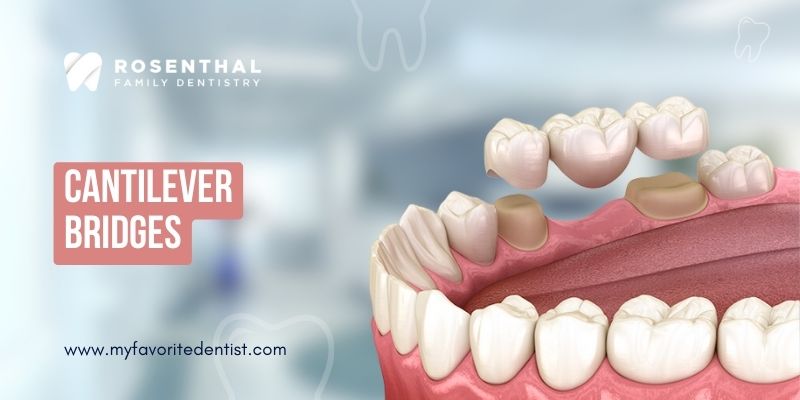
Cantilever bridges are similar to traditional ones but anchored on only one side. They consist of one or more pontics (artificial teeth) supported by a dental crown cemented onto a single adjacent natural tooth, known as the abutment. This type of bridge is suitable when only one adjacent tooth is available for support, making it a conservative option for certain cases.
Cantilever bridges provide a solution for replacing missing teeth without involving multiple adjacent teeth. However, they may not be as stable as traditional bridges, especially in areas of the mouth that undergo significant chewing forces. Patients considering cantilever bridges should discuss their options with their dentist to ensure the most suitable treatment plan.
Maryland bonded bridges, also known as resin-bonded bridges or Maryland bridges, offer a conservative solution for replacing missing teeth, particularly in the front of the mouth. Unlike traditional bridges, Maryland bridges do not require extensive alteration of adjacent teeth. Instead, they consist of a pontic (artificial tooth) held in place by a metal or porcelain framework bonded to the back of the adjacent teeth using a special resin.
This type of bridge is a popular choice for patients concerned about preserving the structure of their natural teeth. Maryland bridges provide a more minimally invasive option than traditional bridges and are often used for replacing front teeth where aesthetics are crucial. However, they may only be suitable for some cases, and patients should consult with their dentist to determine if a Maryland-bonded bridge is the right choice for them.
Implant-supported bridges are considered the gold standard for replacing missing teeth. They offer superior stability, functionality, and aesthetics. Unlike traditional bridges, which rely on adjacent teeth for support, implant-supported bridges are anchored by dental implants surgically placed into the jawbone.
The process of getting an implant-supported bridge typically involves two stages. First, the dental implants are surgically inserted into the jawbone, which integrates and bonds with the bone over several months. Once the implants have healed, abutments are attached to them, which serve as anchors for the bridge. Finally, the custom-made bridge, consisting of one or more pontics (artificial teeth), is attached to the abutments, restoring the smile and bite.
Implant-supported bridges offer several advantages over traditional bridges, including better preservation of bone density in the jaw, improved chewing function, and enhanced stability. They also look and feel more natural, providing a long-term solution for missing teeth. While getting implant-supported bridges is more involved and may require a higher initial investment, many patients find the long-term benefits well worth it for their oral health and overall quality of life. Consulting with a dentist experienced in implant dentistry is essential to determining if implant-supported bridges are the right choice for individual dental needs.
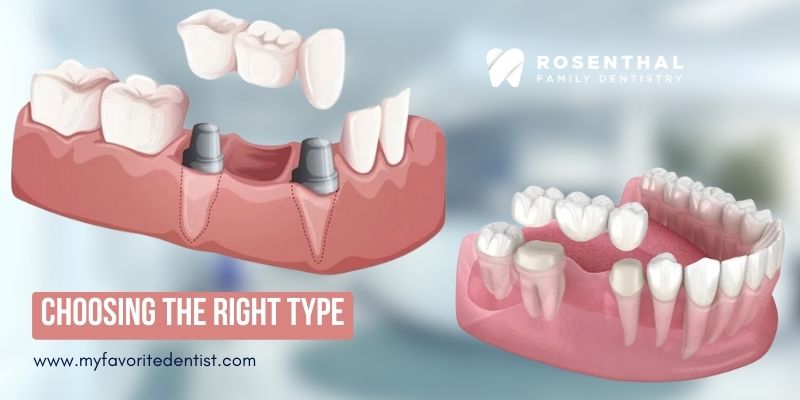
When it comes to choosing the right type of dental bridge, several factors need to be considered:
The best way to determine the right dental bridge type is to consult a qualified dentist. During the consultation, the dentist will assess your oral health, discuss your concerns and preferences, and recommend the most suitable option based on your needs.
In conclusion, dental bridges offer an effective solution for replacing missing teeth and restoring smiles. Various types are available, so patients can choose the bridge that best fits their oral health needs, aesthetic preferences, and budget. By understanding the different types of dental bridges and consulting with a dentist, patients can find the right solution to regain their confidence and oral functionality.
Regular dental check-ups are essential for maintaining good oral health and preventing dental problems. However, for many people, the thought of visiting the dentist can be intimidating. Understanding what happens during a dental exam and cleaning can help alleviate anxiety and ensure a smooth experience. In this article, we will walk you through the process step by step, from the moment you arrive at the dental office to the completion of your appointment.
Upon arrival at the dental office, you will be warmly greeted by a receptionist or dental assistant who will guide you through the check-in process. They will ask you to complete any necessary paperwork, including updating your medical history and insurance details.
Ensuring accurate information is provided allows your dentist to tailor their approach to your specific needs effectively. This initial step not only facilitates a smooth and efficient dental visit but also helps you feel more comfortable and prepared for the examination and cleaning ahead. The welcoming atmosphere and attention to detail during check-in set a positive tone for your entire dental experience.

Before your examination begins, your dentist or dental hygienist will carefully review your medical history. They will inquire about any current medications, allergies, or recent changes in your oral health. This comprehensive review ensures that your dental team has a complete understanding of your overall health status and any factors that may impact your dental treatment.
By sharing pertinent medical information, you enable your dentist to provide personalized care tailored to your specific needs. This thorough assessment sets the stage for a successful dental visit, allowing your dental team to address any potential concerns and ensure your safety and comfort throughout the appointment.
The dental exam typically begins with a visual inspection of your mouth, teeth, and gums. Using a small mirror and sometimes a bright light, your dentist carefully examines each tooth’s surface, checking for signs of decay, cracks, or other damage. They also assess the condition of your gums, looking for redness, swelling, or signs of infection.
Additionally, your dentist will examine your tongue, cheeks, palate, and throat for any abnormalities or signs of oral cancer. This thorough examination allows your dentist to identify any potential issues early on and develop a personalized treatment plan to address them, ensuring optimal oral health for the future.
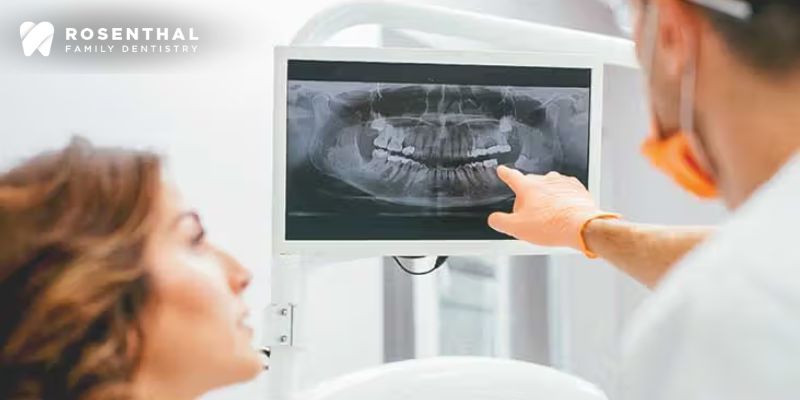
In some cases, your dentist may recommend taking X-rays of your teeth and jaw. X-rays are valuable diagnostic tools that provide detailed images of the internal structures of your mouth, including areas that are not visible during a visual examination. These images can reveal hidden problems such as cavities between teeth, impacted wisdom teeth, or bone loss caused by gum disease.
While some individuals may express concerns about radiation exposure from X-rays, it is important to note that modern dental X-ray equipment emits very low doses of radiation, making it safe for routine use. The information obtained from X-rays enables your dentist to make accurate diagnoses and develop appropriate treatment plans tailored to your specific needs.
Following the visual examination, your dentist or dental hygienist will conduct a periodontal assessment to evaluate the health of your gums. Using a small, specialized probe, they will measure the depth of the pockets between your gums and teeth. Deeper pockets may indicate the presence of gum disease, also known as periodontitis. Additionally, they will assess the firmness and appearance of your gums, looking for signs of inflammation, bleeding, or recession.
This thorough assessment is crucial for detecting early signs of gum disease and preventing its progression. If left untreated, gum disease can lead to serious complications, including tooth loss and systemic health issues. By identifying gum disease in its early stages, your dentist can recommend appropriate treatment options to help restore gum health and prevent further damage to the supporting structures of your teeth.
Following the examination, a dental hygienist meticulously removes plaque and tartar buildup from your teeth and along the gumline. Using specialized tools like a scaler and polisher, they gently scrape away deposits and polish tooth surfaces to enhance appearance and reduce the risk of decay. Thorough flossing ensures all surfaces are clean, while a fluoride rinse strengthens enamel. These steps, performed regularly, are crucial for maintaining optimal oral health and preventing dental issues.
After cleaning, your dentist may recommend a fluoride treatment to strengthen tooth enamel and prevent cavities. Fluoride, a mineral that helps remineralize weakened enamel, is applied directly to your teeth in gel, foam, or varnish form. Left on for a few minutes, it enhances enamel’s resistance to decay. This quick and painless procedure provides added protection against cavities, especially for those at higher risk. Regular fluoride treatments, along with proper oral hygiene, contribute to long-term dental health.
Before you leave the dental office, your dentist or dental hygienist will provide personalized oral hygiene instructions to help you maintain good oral health between visits. They may demonstrate proper brushing and flossing techniques and recommend oral care products suited to your specific needs.
Depending on the findings of your dental exam, your dentist may recommend follow-up treatments or procedures to address any issues identified. This could include fillings for cavities, periodontal therapy for gum disease, or orthodontic treatment for misaligned teeth. It is essential to follow through with any recommended treatments to prevent oral health problems from worsening over time.
Before you leave the dental office, be sure to schedule your next regular check-up and cleaning appointment. Regular dental visits every six months are crucial for maintaining optimal oral health and catching any potential problems early.
In conclusion, a dental exam and cleaning are essential components of preventive dental care. By understanding what to expect during your appointment, you can feel more confident and relaxed about visiting the dentist. Remember to prioritize your oral health by scheduling regular check-ups and following your dentist’s recommendations for at-home care. Your smile will thank you for it!