I’ll be honest—most people don’t think twice about what kind of dental restoration they get. If something hurts, the goal is simple: fix it and move on. But when your dentist starts explaining options like fillings, crowns, or something called “inlays and onlays,” things can get confusing fast.
A friend of mine recently went through this exact dilemma. She had a cracked tooth that wasn’t bad enough for a full crown but too big for a standard filling. Her dentist suggested an onlay, and she looked at me like, “Is that even a real thing?”
It is. It might be one of the best-kept secrets in modern dentistry.
So, if you’ve ever wondered what inlays and onlays are and why a dentist might recommend them over traditional fillings or crowns, let’s talk about it—in plain, real-world terms.
Dentists like inlays and onlays because they’re strong, long-lasting, and conservative. But what that really means for you is this: less drilling, a better fit, and a more natural-looking smile.
Let’s break that down a bit.
If you’ve ever had a crown, you know it involves removing a decent amount of healthy tooth structure. The dentist has to file down the entire tooth to make space for the crown that sits on top.
With inlays and onlays, that’s not the case. Your dentist only removes the decayed or damaged portion—nothing more. The rest of your natural tooth stays intact.
That matters because the more of your original tooth structure you keep, the stronger your tooth stays over time.
I remember my cousin saying her dentist called inlays “tooth-savers.” That’s not an exaggeration. They really are designed to protect what’s left instead of replacing everything.
Fillings do not last forever, especially those older metal versions. With time, they can wear down, crack, or even fall off the teeth. This can let bacteria sneak back in.
But that’s not the case with inlays and onlays. They are made with high-quality materials like ceramic, porcelain, or composite resin. They will give you great value for your money.
They can last 10–15 years easily—sometimes even longer with good care. That’s much longer than the average filling.
Nobody wants a mouthful of metal. One of the biggest perks of inlays and onlays is how natural they look.
They’re custom-made to match the exact color and shape of your tooth. Once placed, you honestly can’t tell the difference. Even when you laugh or smile big, they blend right in.
And they don’t just look good—they feel natural too. Because they’re precisely designed, your bite feels normal right away. You won’t get that awkward “something feels off” sensation that sometimes comes with bulky fillings or temporary crowns.
Here’s something most people don’t realize: a large filling can sometimes weaken a tooth. When too much structure is removed, it leaves thin walls that can eventually crack under pressure.
An inlay, though, acts like a protective shield. It does more than repair the damaged part. It also reinforces the structure of the teeth. So, if you have a weak tooth or one that has an old filling, an onlay can come in handy. It can prevent you from requiring a full crown along the line.
Inlays and onlays are on the higher end of the price spectrum when compared to traditional fillings, but they are a better long-term investment. They will last you twice as long as your natural teeth.
Replacing a filling that has cracked or fallen out is not cheap. Those costs can add up. But that’s not the case with inlays and onlays. Once you’ve done it, you’re done.
It’s like buying a good pair of boots instead of cheap ones that you have to replace every season. One good fix now means less worry later.
Here’s when your dentist might suggest an inlay or onlay:
They’re especially great for molars—the teeth that take the most pressure when you chew.
The process is simpler than you might think.
Usually, it takes two visits. During the first visit, your dentist removes the decay or old filling, takes a digital or physical impression, and sends it off to a lab. You’ll get a temporary restoration while your custom inlay or onlay is made.
On your second visit, the dentist bonds the new piece securely in place, polishes it, and checks your bite. That’s it. You’re done.
Nowadays, with advanced technology like CAD/CAM systems, some dentists can even make and place your inlay or onlay the same day.
If you ask me—and most dentists would agree—yes. Absolutely.
Inlays and onlays strike a perfect balance between strength, preservation, and aesthetics. They protect more of your natural tooth than a crown and last longer than a traditional filling.
My friend, the one who was skeptical at first? Her onlay is still holding up beautifully five years later. She barely remembers which tooth it was. And that’s kind of the point—good dental work should disappear into your smile.
Choosing between fillings, crowns, and inlays or onlays isn’t always straightforward, but here’s the best way to think about it:
If your dentist suggests one, they’re probably trying to help you keep as much of your natural tooth as possible—and that’s always a win.
So next time you’re in that chair, don’t tune out when your dentist mentions inlays or onlays. Ask questions. You might find they’re the best fit for your smile—literally and figuratively.
If you’ve ever looked in the mirror and thought, “I wish my smile looked just a little better,” you’re definitely not alone. Most of us notice little imperfections—maybe a chip in a front tooth, a tiny gap, or discoloration that whitening won’t fix. The good news? You don’t always need an expensive or complicated treatment to make a big difference.
That’s where dental bonding comes in. It’s one of those unsung heroes of cosmetic dentistry: simple, affordable, and surprisingly versatile. In fact, I’ve seen patients walk in self-conscious about their teeth and walk out the same day with a massive boost of confidence.
So, what can bonding actually do? Let’s go through five of the most common cosmetic problems it fixes—and why it’s such a quick and effective option.
Life happens. Maybe you bit down on a popcorn kernel, or your kiddo caught you with a flying elbow during a game. Small chips and cracks are ubiquitous, and while they’re not always painful, they can be pretty noticeable.
Bonding works like a charm here. The dentist applies a tooth-colored resin (think of it like putty), shapes it to match the natural contour of your tooth, and then hardens it with a special light. The result? That chip basically disappears.
One of my neighbors once told me she chipped her front tooth right before a big work presentation. She was horrified—she felt like everyone would be staring at it. Her dentist fit her in for bonding the very next morning, and she said afterward, “It was like nothing ever happened. I could smile again without worrying.”

Teeth whitening is effective for removing surface stains caused by coffee, tea, or red wine. However, sometimes discoloration runs deeper, possibly due to an old injury, certain medications, or enamel issues. Whitening gels don’t always work that way.
This is where bonding comes into play. Your dentist will match the resin to your natural tooth color. They can even make it lighter.
I once met a college student who had one tooth that was noticeably darker due to a childhood accident. No amount of whitening helped, and it made him self-conscious in photos. After bonding, he said, “It feels like my tooth finally matches the others.” Sometimes, that one minor fix changes everything.
Small gaps—what dentists call diastemas—can be charming on some people, but not everyone loves them. If you have a gap that bothers you, bonding can be a fast and non-invasive solution.
Instead of braces or aligners, which take months or even years, bonding can close small spaces in just one visit. The resin is placed on the sides of the teeth bordering the gap, carefully shaped, and polished to create a completely natural appearance.
A friend of mine had a little gap between her two front teeth that she hated in pictures. Braces felt like overkill, so she asked about bonding. After the treatment, she texted me a selfie with the caption, “No more Photoshop smile edits for me!”

Not all teeth grow in evenly. Some are naturally smaller, shorter, or oddly shaped compared to their neighbors. This can make your smile look uneven, even if everything else is perfectly healthy.
Bonding is a simple way to reshape teeth so they blend in better. Dentists can lengthen a short tooth, smooth out a pointy edge, or make a narrow tooth appear wider.
One teen I knew always called one of her teeth her “baby tooth” because it looked tiny next to the others. Her dentist bonded it slightly longer and wider, and she told me, “Now it looks like it actually belongs in my mouth.”
If you grind your teeth at night—or even just over time—your teeth may wear down, resulting in flattened or roughened edges. While bonding isn’t a cure for grinding (you’d need a night guard for that), it can restore the worn areas and protect your smile’s appearance.
It’s almost like patching up a worn-out spot on your favorite pair of shoes—suddenly they look new again.
I once chatted with a dad who ground his teeth for years without realizing it. By his 40s, the edges looked jagged. After bonding, he laughed and said, “I feel like I got 10 years back on my smile.”
Beyond the specific fixes, bonding has a few significant advantages that make it so appealing:
That’s why I often describe bonding as a “confidence booster in a chair.” You walk in feeling unsure about your smile and walk out with a reason to grin.
Bonding is fantastic for small to medium cosmetic issues, but it’s not always the best choice for bigger fixes. For example, if teeth are severely crooked, very stained, or badly damaged, your dentist might recommend veneers, crowns, or orthodontics instead.
Bonding also isn’t as strong as natural enamel or porcelain restorations. It can chip if you bite your nails, chew ice, or use your teeth as tools.
Dental bonding might not be as popular as implants and veneers, but it’s precisely what many people need. It offers many great benefits and is affordable too. Consult with your dentist to determine if this is the right option for you.
A beautiful smile not only makes you look good and gives you confidence, but it also makes you interested in talking with people and creates a lingering effect. Whether you are meeting someone for the first time or taking a photo, the overall impact of the image of how you look will depend highly on how you smile.
With the help of modern cosmetic dentistry, everyone can now have their perfect smile. No matter what you may be going through, whether you have stained, chipped, crooked, or missing teeth, there exists a treatment that can completely alter your oral cosmetics. This is because in this article, we will look at the five best cosmetic dentistry procedures that help make you smile. Thus assisting you in being proud every time you flash your smile.
Teeth whitening is among today’s most sought-after and cheap cosmetic dental services. Teeth can become discolored over time due to coffee, wine, smoking, or aging. Professional teeth whitening restores this by employing a product based on peroxide to lighten the enamel.

Whitening done in the office usually takes less than an hour, but the effect is dramatic despite minimal discomfort. Then there are the take-home kits that dentists offer, which have a longer working impact.
In contrast to the over-the-counter alternatives, professional whitening does not just produce uneven outcomes; it is specific to your unique case and is carefully checked regarding safety. A person who has a bright white smile can be much more attractive.
Dental veneers are ultra-thin porcelain or composite pieces stacked on the front of the teeth with adhesives. They are ideal for correcting flaws, such as teeth discoloration, small gaps, misalignment, chips, and worn enamel.
Veneers can make you look dramatic with a natural appearance custom-designed to your perfect smile shape, size, and color. The practice takes two to three sessions and requires little enamel removal. By taking good care of them, the veneers will likely last 10-15 years or even more than that if you invest in a lifetime of perfect smiles. Celebrities use them most often to achieve that perfect image.
Dental bonding is a cheap and less invasive procedure that can correct broken, cracked, or spaced-out teeth. Special resin of tooth color is placed and molded to the available tooth, which is then hardened using a special light. The process usually lasts less than an hour on a tooth and may not even need anesthesia.
The bonding procedure is perfect for correcting minor cosmetic deficiencies and can be done in a single appointment. Although it is not as long-lasting as veneers, it is a much cheaper means of having a better-looking smile with a symmetric and balanced feel. It is a quick and efficient smile-enhancing alternative, and regular touch-ups would be required after a few years.
This was no longer true when people could only use metal braces to straighten their teeth. Invisalign is a solution through which teeth can be straightened with the help of transparent, removable aligners worn over them. Individual aligners are utilized on a two-week basis, and the entire course takes between 6 and 18 months.

The invisible aligners are almost transparent and may be removed during eating, brushing, or flossing, making them easy to use and less noticeable than conventional braces. Invisalign can be used with teens and adults when there are mild to moderate problems with alignment. The outcome is an improved, straightened, prettier smile that is not time-consuming or cumbersome.
Missing teeth affect more than just the smile. One of the most revolutionary options for replacing a lost tooth is dental implants, which replace both the root and visible part of the tooth. A post of titanium is surgically inserted into the jawbone, and once it heals, a custom-made crown is fitted.
The implants are made in natural teeth, and they look, feel, and operate. They contribute to supporting the face, avoiding bone reduction, and reconstructing the efficacy of chewing. Even though it has been operated on for years and requires surgical treatment, the implant lasts a long time and can be expected to last a lifetime when provided with adequate care. To the people whose teeth were lost and need a lasting solution, nothing beats using implants.
Treatment of cosmetic dentistry: When it comes to cosmetic dentistry, the most appropriate thing to do is to refer to a qualified cosmetic dentist. They will check the status of your oral health, learn about your condition, and prescribe the most suitable treatment, or a combination of treatments, to fulfill your needs.
We might have some patients whose needs can be addressed with a single procedure, and we might also have some people whose needs are more extensive and for whom we do a complete smile makeover with six different procedures, such as whitening, veneers, or alignment correction.
It is easy to forget that cosmetic dentistry is more than looking good. It can enhance function, self-esteem, and better oral hygiene. The smile you always wanted can be achieved entirely with the proper care and a skilled dental team.
Your smile is one of the most powerful tools you have, and whether you need it to get a better job or to feel good about yourself, cosmetic dentistry has made correcting your smile so much easier. They can make your teeth look as white as you would like, help close the gaps, straighten the alignment, and even replace the lost teeth, making the changes astonishing. Never be shy of defects; see the nearest cosmetic dentist today and start your first steps toward a brighter and more confident smile, the best you can radiate to the world.
April is the month of Oral Cancer Awareness, and while it is fast approaching, we are all reminded about our oral health and the need to prioritize it. Nobody loves the word cancer, the disease that has negatively impacted many lives, which is why you must be on the lookout for early detection of oral cancer and take proper preventive measures.
Oral cancer is a disease that affects the lips, mouth, throat, and tongue, and its statistics are overwhelming. This is because some people overlook the signs. Like other diseases, early detection is essential, enabling timely medical intervention.
This article will help you understand and identify early signs of oral cancer, risk factors, and prevention strategies, which can help you take control of your oral health.
Oral cancer is malignant and uncontrolled cellular growth in the lips, mouth, cheeks, roof of the mouth, sinuses, throat, and tongue. It usually appears as a small and harmless red or white spot or a painful mouth sore. As the cancer spreads, it emerges into a thick, crusty lump or rough spot in the mouth.
The good news is that you can detect symptoms early to improve treatment outcomes through a health examination, which focuses on oral cancer screenings, during your routine dental cleaning appointments, which are typically scheduled every six months. Your dentist can identify potential issues and help you overcome oral cancer through a successful and effective treatment plan.
Oral cancer can be sneaky, as it is often masqueraded as a harmless condition. You might have a prolonged case without knowing, which could escalate into severe symptoms, including difficulty speaking, swallowing, chewing, or pain and numbness in the mouth, lips, and throat.
Overlooking early symptoms comes with dire consequences, and it allows the disease to spread slowly to other parts of the body. If oral cancer advances, treatment does not only become increasingly challenging, but it might reduce the chances of survival.
So, here are early signs of oral cancer that you should be aware of to reduce the risk of further spread:
It is common for mouth sores or ulcers to heal on their own within a short time. But, if yours prolongs to three weeks or more, it is a possible sign of oral cancer. To get a proper diagnosis, it is essential to seek medical attention.
Another cause for concern is lumps in your oral cavity. Some lumps are harmless, but they can be an early sign of something as serious as oral cancer. You can ask your dentist to help inspect unusual lumps or thickening in your mouth. If detected and diagnosed early, they can result in more effective treatment.
If you feel unusual roughness or crusts on your gum, lips, or inside your mouth, this can also be a warning sign of oral cancer. The abnormal textures may come with persisting pain, bleeding, or discomfort, but your healthcare provider or dentist can thoroughly examine, diagnose, and offer effective treatment.
Difficulty swallowing or chewing is usually associated with many health problems, but if it is persistent and causes discomfort, it can be a sign of oral cancer. Ignoring these symptoms can risk oral health or spread to other body parts.
Another surprising symptom of oral cancer is excruciating ear pain. You might not have any visible signs in your throat or mouth but still feel an unexplained pain in your ear, leading to tenderness or discomfort. While this symptom poses as an early sign of oral cancer, it may cause an ear infection if left untreated. Consulting a healthcare provider or a dentist can help identify the underlying cause of ear pain before scheduling a treatment plan.
Oral cancer can happen to anyone, but it can be prevented if you adopt healthy lifestyle habits, eat healthily, conduct regular self-examination, visit your dentist for oral inspections, and maintain optimal oral health. Here are preventive measures to help you reduce the risk of developing oral cancer.
Healthy Habits
Rich and nutritious foods can help you maintain oral health and prevent cancer. Varieties of food you can consume daily include:
Individuals can perform regular self-exams to monitor their oral health:
Promoting oral cancer awareness empowers you to take charge of your health and creates a healthier future. So, start by being aware of the early signs and take preventive actions to minimize the risk. Generally, you can prevent oral cancer by eating healthy, changing your lifestyle, and visiting your dentist.
A Hollywood smile is often synonymous with perfection—straight, white, and flawlessly aligned teeth that radiate confidence and charm. While celebrities may have easy access to the finest dental care, achieving a similar smile is no longer out of reach. Thanks to advances in cosmetic dentistry treatments, anyone can transform their smile and, in doing so, experience a significant boost in self-confidence.
A bright, confident smile enhances your appearance and profoundly impacts how you feel about yourself and how others perceive you. This guide will teach you how cosmetic dentistry can help boost your confidence.
A smile is more than just an expression; it’s a powerful tool of communication that transcends language. It can convey warmth, friendliness, and approachability, making you more attractive and engaging. However, not everyone is born with a perfect smile. Discolored, chipped, misaligned, or missing teeth can make people self-conscious, leading them to hide their smiles or avoid social interactions altogether. This lack of confidence can affect personal and professional life, creating a cycle of negativity that can be hard to break.
Cosmetic dentistry treatments offer a way to reclaim your smile and, with it, your self-esteem. By addressing the aesthetic concerns of your teeth, you can achieve a Hollywood-worthy smile that improves your appearance and enhances your overall sense of well-being.
The benefits of cosmetic dentistry go far beyond aesthetics. While the primary goal is to improve the appearance of your teeth, the psychological and emotional impacts are equally significant. Here’s how cosmetic dentistry treatments can boost your confidence:
One of the most immediate benefits of cosmetic dentistry is increased self-esteem. When you feel good about your smile, you’re more likely to share it with the world. Whether smiling in photos, laughing freely with friends, or speaking confidently in meetings, having a proud smile can transform your self-perception. This newfound confidence can lead to better relationships, greater success at work, and an overall improvement in quality of life.
Your smile is often one of the first things people notice about you. A bright, healthy smile can leave a lasting positive impression, whether meeting someone for the first time or presenting yourself professionally. Conversely, a smile you’re embarrassed about can make you appear less approachable or less confident. Cosmetic dentistry treatments can help ensure that your smile reflects the best version of yourself, allowing you to make strong, positive first impressions that can open doors to new opportunities.

When you’re unhappy with your teeth, social situations can become a source of anxiety. You may find yourself avoiding close-up conversations, shying away from group photos, or even refraining from smiling or laughing in public. This self-consciousness can create a barrier between you and others, making it difficult to form genuine connections. The benefits of cosmetic dentistry can remove these barriers by giving you the confidence to engage fully in social interactions. Whether a casual chat with friends or a networking event, a confident smile can make you feel more relaxed and open, allowing you to enjoy social interactions without fear or embarrassment.
The anxiety of living with dental imperfections can be a heavy burden. Concerns about your teeth’ appearance can lead to stress and anxiety, particularly when your smile is scrutinized. This constant worry can take a toll on your mental health, leading to feelings of inadequacy or depression. Cosmetic dentistry treatments offer a solution by addressing the root of these concerns. Whether through teeth whitening, veneers, or orthodontics, the right cosmetic dental procedures can alleviate the stress associated with dental imperfections, allowing you to live with greater peace of mind.
In the professional world, confidence is key to success. Whether presenting, interviewing for a job, or interacting with clients, how you present yourself can significantly impact your career. A confident smile can enhance your professional image, making you appear more competent, trustworthy, and approachable. Cosmetic dentistry’s benefits can be crucial in helping you achieve this. Improving your smile can boost your self-confidence and project a positive, professional image to help you advance in your career.

The transformative power of a smile makeover goes beyond the physical changes to your teeth. The process can be empowering as you take control of your appearance and consciously decide to invest in yourself. This sense of empowerment can have a ripple effect on other areas of your life, encouraging you to pursue positive changes, such as improving your health, fitness, or overall well-being. Investing in your smile can be the first step toward a more confident, fulfilled version of yourself.
Several types of cosmetic dental procedures can help you achieve a Hollywood smile. Some of the most popular include:
Achieving a Hollywood smile is more than just looking good—it’s about feeling good. The confidence that comes from having a proud smile can enhance every aspect of your life, from your relationships to your professional success. The benefits of cosmetic dentistry are vast, offering various solutions that can transform your smile and boost your self-esteem, empowering you to live life to the fullest. Whether you’re looking to brighten your teeth with teeth whitening, straighten your smile, or replace missing teeth, there’s a smile makeover solution that can help you achieve the smile of your dreams.
Maintaining dental health is crucial for overall well-being, and one of the key procedures contributing to this is the dental filling procedure. This versatile treatment not only restores the function of damaged teeth but also enhances their appearance. Here, we explore the significant benefits of dental fillings.
One of the primary benefits of the dental filling process is the restoration of tooth function. When a tooth is damaged due to decay or injury, it can hinder your ability to chew and speak properly. Dental fillings effectively fill the cavities and cracks, providing the necessary support for the tooth to function. This is crucial for maintaining a balanced bite and preventing further complications.
Moreover, modern tooth-filling services use advanced materials that mimic the tooth’s natural structure. These materials, such as composite resins, bond directly to the tooth, offering a durable solution that withstands daily wear and tear. This bonding process strengthens the tooth and helps distribute the chewing forces more evenly, reducing the risk of future damage.
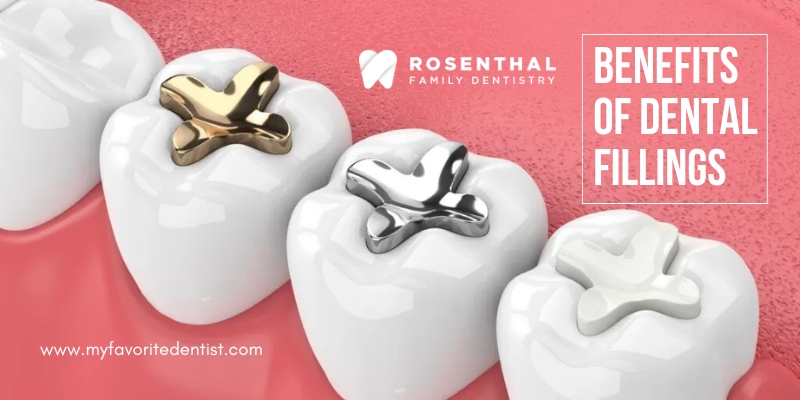
In addition to restoring function, dental fillings significantly enhance the aesthetic appeal of your teeth. Traditionally, fillings were made of metals, which were effective but highly visible. Today, cosmetic dentists often use tooth-colored materials that blend seamlessly with your natural teeth. This means that dental restoration no longer compromises your smile’s appearance.
These advanced materials used in tooth bonding and dental restoration are carefully chosen to match your natural teeth’ color, texture, and translucency. Whether you need a small cavity filled or a larger restoration, these modern solutions ensure that your teeth look as good as they function, boosting your confidence and allowing you to smile without hesitation.

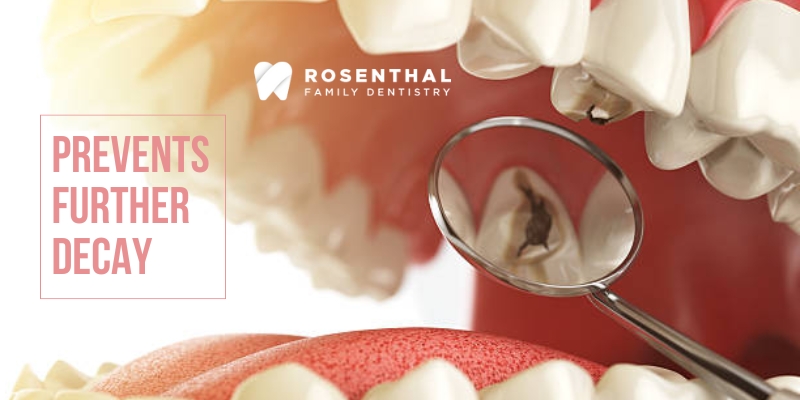
A significant benefit of dental fillings is their role in preventing further tooth decay. Once a cavity is formed, bacteria can infiltrate and cause more extensive damage. By filling these cavities promptly, general dentists can seal off these entry points, halting the progression of decay and protecting the tooth’s inner structures.
Routine dental care and professional dental cleaning are essential for identifying cavities early. When caught in time, a simple teeth-filling service can prevent the need for more extensive treatments like root canals or extractions. This proactive approach preserves your natural teeth and saves you time and money in the long run.
Dental fillings also play a crucial role in strengthening a tooth’s overall structure. When a tooth has been compromised by decay, its structural integrity is weakened. By filling the cavity, the tooth is reinforced, making it stronger and more resilient. This is particularly important for maintaining teeth’ long-term health and function.
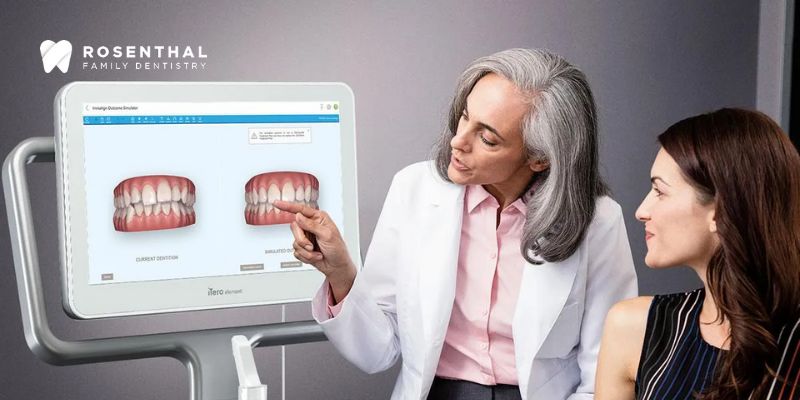
In some cases, dental crown procedures or CEREC crowns may be recommended for additional support. These crowns can be crafted and placed in a single visit, thanks to technologies like iTero digital scanning. Whether you opt for traditional fillings or need more extensive support, these treatments ensure your teeth remain strong and functional.
Beyond the immediate benefits of a single tooth, dental fillings contribute to overall oral health. Addressing cavities and preventing further decay help maintain a healthy balance of bacteria in the mouth. This is essential for preventing gum disease and other oral health issues from untreated cavities.
When cavities are left untreated, swollen gums and pain treatment often become necessary. Investing in dental treatments like fillings can avoid these complications and maintain a healthier mouth. This proactive approach is key to effective routine dental care and ensures your smile remains healthy and vibrant.
Another significant advantage of dental fillings is that they are a minimally invasive treatment option. Unlike more extensive procedures like dental crowns or orthodontic treatments, which may require significant tooth reduction or adjustments, fillings typically involve removing only the decayed or damaged portion of the tooth. This preservation of healthy tooth structure benefits your teeth’ long-term health and strength.
The ceramic or porcelain dental crowns used in some cases can also be fitted with CEREC crowns the same day, thanks to advancements in dental technology. This means you can receive comprehensive orthodontic benefits and restore your teeth’s appearance in just one appointment.

Lastly, dental fillings are cost-effective for restoring tooth function and aesthetics. Unlike other dental procedures, fillings are relatively affordable and can often be completed in a single visit. This makes them an accessible option for many patients seeking to address cavities and minor tooth damage.
Moreover, many dental insurance plans cover the cost of dental fillings, making it easier for patients to receive the necessary care. By prioritizing regular check-ups and promptly addressing cavities, you can avoid more costly and invasive treatments, ensuring your dental health is maintained cost-effectively.
Additionally, dental fillings offer a range of customizable treatment options to suit individual needs. Whether you prefer traditional amalgam fillings or more modern composite resin fillings, your cosmetic dentist can recommend the best material based on factors like the location of the cavity, your oral health needs, and your aesthetic preferences.
For those concerned about the visibility of fillings, especially in prominent areas of the smile, clear aligners or an Invisalign provider can use clear aligners to provide a more discreet solution. This customization ensures that your treatment aligns with your goals and enhances your satisfaction with the results.
Dental fillings are essential for restoring tooth function and aesthetics, with minimal invasiveness and customizable options. They offer long-lasting results when maintained through regular dental care, preserving oral health and natural smiles. Whether addressing cavities or enhancing dental aesthetics, consulting with a skilled Sunrise, Florida, dentist ensures effective treatment tailored to individual needs.
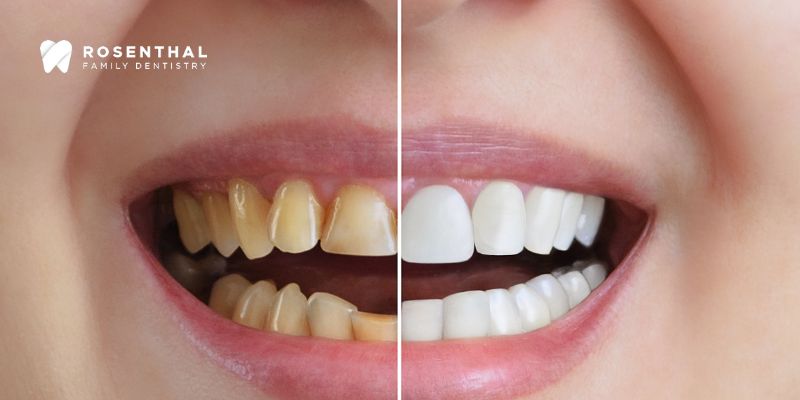
A bright, radiant smile is often associated with good health and confidence. With the plethora of teeth-whitening treatments available on the market today, it can be overwhelming to decide which one is best suited for your needs. Whether you are looking for professional-grade treatments or over-the-counter solutions, here is a comprehensive guide to help you navigate through the options and find the perfect teeth-whitening treatment for you.
Before diving into any teeth-whitening treatment, it is essential to understand your specific needs and expectations. Consider factors such as the level of discoloration, the sensitivity of your teeth, and your budget. If you have sensitive teeth or existing dental issues, consulting with a dentist is crucial to avoid potential complications. Additionally, determining your desired outcome—whether it is a subtle shade improvement or a dramatic transformation—will guide you in selecting the most suitable treatment.
Once you have a clear understanding of your needs, you can explore various teeth-whitening options, including professional in-office treatments, at-home kits, and natural remedies. Professional treatments typically offer faster and more noticeable results but may come with a higher price tag. On the other hand, over-the-counter products are more affordable and convenient but may require consistent use for significant effects. By aligning your expectations with the available options, you can make an informed decision that meets your requirements.
Teeth-whitening treatments come in various forms, each with its unique advantages and limitations. Some of the most common methods include whitening toothpaste, whitening strips, tray-based systems, and professional dental procedures. Whitening toothpaste often contains mild abrasives or chemical agents to remove surface stains, making it a suitable option for maintaining brightness between treatments. However, it may not deliver significant results for deeper discoloration.
Whitening strips and tray-based systems involve applying a peroxide-based gel directly onto the teeth using strips or custom-fitted trays. These products are designed to penetrate the enamel and break down stains effectively. While over-the-counter options are widely available, professional-grade treatments administered by a dentist typically yield faster and more consistent results.
Additionally, in-office procedures such as laser or light-activated whitening can provide immediate whitening in a single session, making them ideal for those seeking instant gratification. Consider the level of convenience, cost, and desired outcome when evaluating different whitening methods to find the most suitable option for you.
While teeth-whitening treatments are generally safe when used as directed, it is essential to be aware of the potential side effects and risks associated with each method. Peroxide-based whitening products, commonly found in both over-the-counter and professional treatments, can cause temporary tooth sensitivity and gum irritation. Individuals with sensitive teeth or gum disease may experience heightened discomfort and should consult with a dentist before undergoing whitening procedures.
Moreover, overuse or improper application of whitening products can lead to enamel damage and increased tooth sensitivity. It is crucial to follow the instructions provided by the manufacturer or dental professional and avoid excessive whitening to prevent adverse effects. Additionally, certain underlying dental conditions, such as cavities or worn enamel, may require treatment before pursuing teeth whitening to ensure optimal results and minimize potential risks.
Before embarking on any teeth-whitening regimen, take the time to research the safety profile of the chosen method and consult with a dental professional if you have any concerns. Your dentist can assess your oral health status and recommend the most appropriate whitening approach tailored to your individual needs and sensitivities. By prioritizing safety and understanding potential risks, you can undergo teeth whitening with confidence and peace of mind.

Once you have achieved your desired level of teeth whitening, maintaining the results requires consistent oral hygiene practices and lifestyle habits. Brushing your teeth at least twice a day with fluoride toothpaste and flossing daily helps remove surface stains and prevent the buildup of plaque and tartar, which can diminish the brightness of your smile. Additionally, limiting consumption of staining foods and beverages such as coffee, tea, and red wine can help preserve the whiteness of your teeth.
Regular dental check-ups and professional cleanings are essential for monitoring oral health and addressing any concerns promptly. Your dentist can provide personalized recommendations for maintaining your newly whitened smile, including the use of touch-up whitening treatments or professional-grade products for home use. By incorporating these practices into your oral care routine, you can prolong the effects of teeth whitening and enjoy a vibrant, healthy smile for years to come.
In addition to commercial teeth-whitening products, there are also natural remedies that can help brighten your smile. These remedies are often gentler on the teeth and may be preferred by individuals who are sensitive to peroxide-based treatments or want to avoid chemical ingredients. Some popular natural teeth-whitening methods include oil pulling, baking soda paste, and hydrogen peroxide rinse.
Oil pulling involves swishing a tablespoon of coconut oil or sesame oil in your mouth for 15-20 minutes to remove bacteria and surface stains. Baking soda, mixed with a small amount of water to form a paste, can act as a mild abrasive to polish away stains when used in moderation. Similarly, diluted hydrogen peroxide can help lighten stains and kill bacteria when used as a mouthwash. While these natural remedies may not deliver dramatic results overnight, they can contribute to gradual teeth whitening and improved oral health over time.

When navigating the myriad of teeth-whitening options available, seeking professional guidance can provide valuable insight and personalized recommendations tailored to your unique circumstances. Dentists are trained to assess oral health conditions, identify underlying issues, and recommend the most suitable whitening approach based on your specific needs and goals. Whether you are considering professional in-office treatments or at-home whitening kits, consulting with a dental professional can help you make an informed decision and achieve optimal results safely and efficiently.
During a dental consultation, your dentist will evaluate factors such as the severity of discoloration, tooth sensitivity, and overall oral health to determine the most appropriate whitening treatment for you. They may also discuss alternative options, such as dental veneers or bonding, for individuals with extensive staining or structural concerns. By partnering with a trusted dental provider, you can embark on your teeth-whitening journey with confidence, knowing that you are receiving expert guidance and care every step of the way.
In conclusion, exploring natural remedies and seeking professional guidance are additional strategies to consider when choosing the proper teeth-whitening treatment for you. By combining these approaches with a thorough understanding of your needs and preferences, you can achieve a brighter, more confident smile that enhances your overall appearance and self-esteem. Remember to prioritize safety, consult with a dental professional, and maintain proper oral care practices to enjoy long-lasting results and optimal oral health.